It is possible to use CloudWatch to monitor your disk and memory usage. There are very good information on AWS – http://docs.aws.amazon.com/AmazonCloudWatch/latest/DeveloperGuide/mon-scripts-perl.html For the impatient, here is how to get it done.


It is possible to use CloudWatch to monitor your disk and memory usage. There are very good information on AWS – http://docs.aws.amazon.com/AmazonCloudWatch/latest/DeveloperGuide/mon-scripts-perl.html For the impatient, here is how to get it done.

On Linux, it is possible to power off a USB device using command line. It’s perfect for my USB backup drive. I can power it off after backup every night, and power it on before the job starts. This saves power, reduce heat, and more importantly, prevent accidental or unexpected changes as the device is completely offline.

Redhat has provided a couple of excellent articles describing the upcoming leap second as well as how to handle it. Here, I want to demonstrate the behavior of a server not running NTP.
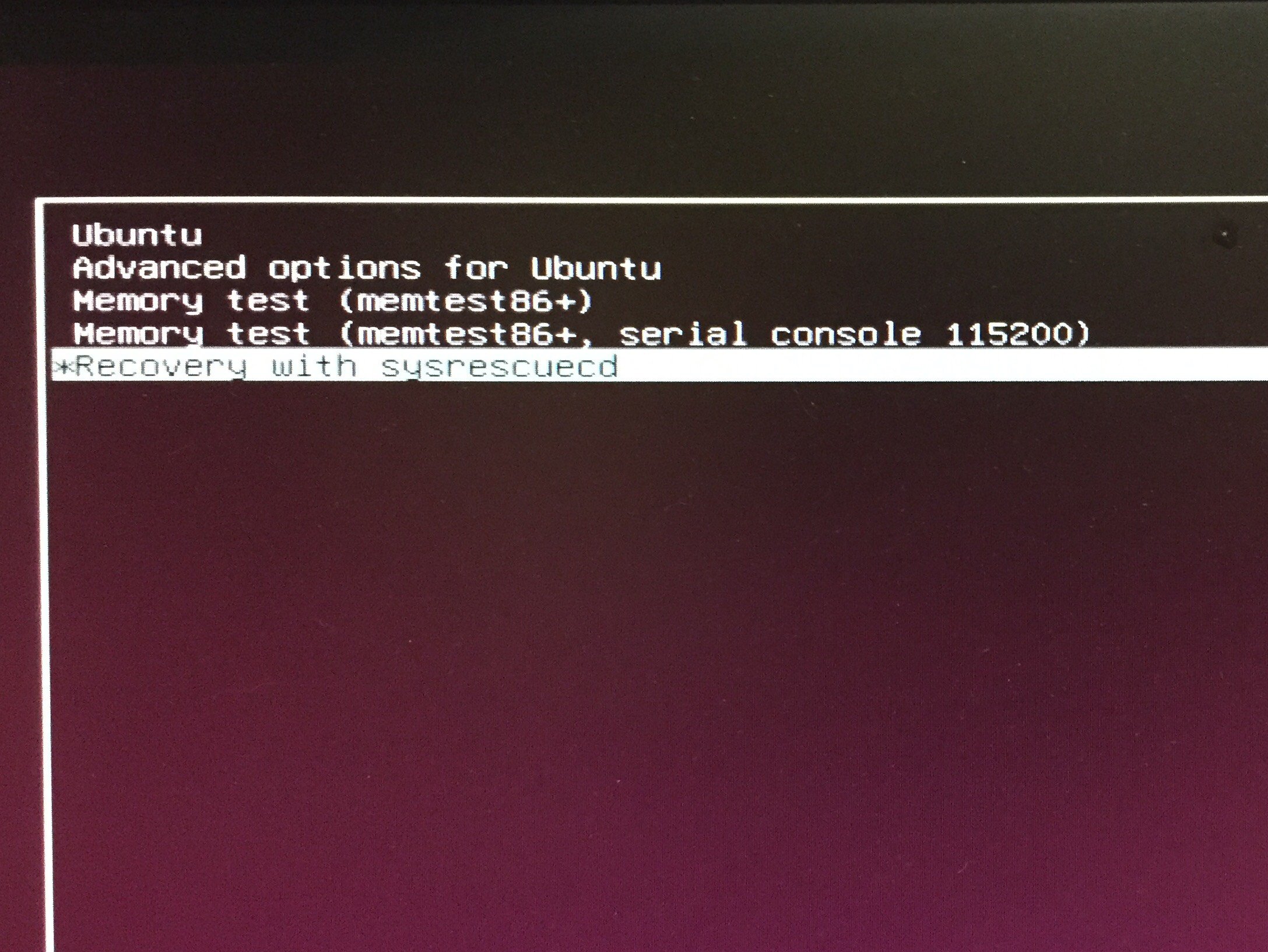
Adding a bootable ISO image to grub will be very useful for recovering Linux systems. Here we add the systemrescuecd iso to grub2 on Ubuntu 15.04. It’s really easy and I recommend adding it to every Linux systems!

LXC has quickly become my favorate test bed. Starting a CentOS 7 container is however slightly complicated.
It’s the most annoying thing when every now and then, your flash version is outdated and it won’t load the pages you visit every day. For me, this solved the problem: First, install pepperflashplugin-nonfree. It’s avaialble from official repository on Ubuntu 14.04. But this only install the plugin for chrome. Second, install the Fresh Player…

Sure you can do the math yourself but why not trust a tool. coreutils include a tool called numfmt which can convert a number to human readable format. Much like when you run df -h. On mac homebrew, the tool is called gnumfmt. Give it a try: [code] $ gnumfmt –to=iec-i –suffix=B 4812939778547 4.4TiB $…
Immediate adaption efforts are need – that’s what I feel when I started to mess around with the latest version of Redhat. “Good! Adaptation, improvisation, but your weakness is not your technique.” – Morpheus Systemd First thing I notice is many services have been migrated to systemd. That means the traditional service and…
In my opinion, an easy to use distributed filesystem on Linux is long due. Today I came across XtreemFS which accomplishes just that. Setting up a basic cluster with 2 OSDs takes no more than 10 minutes. Let’s walk through the processes. First, install the binary packages using repositories made available by the XtreemFS team. Once…
There are a handful of version control tools for Linux but they were not designed to work with system config files. For example, RCS resets the file ownership and permission when a commit is made. This is when etckeeper comes into play. It works with a number of version control tools such as git and…